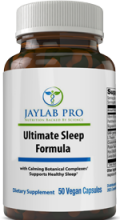
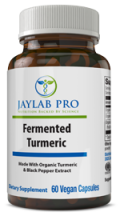
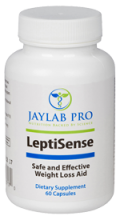
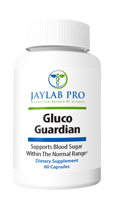
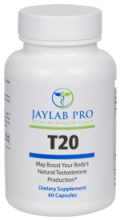
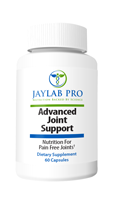
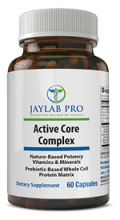
click here for details
 If you order a JayLabPro SmartShip product or any Combo Package, we will automatically ship you a new supply of the product or products you have ordered every month, starting 30 days after your initial order is shipped, and continuing until you cancel. The credit card you are using today will be billed the lowest available price for those product or products when your order is shipped, but shipping will be FREE. You may log into your customer account or call our customer service department toll-free at 1-888-9GETPRO (1-888-943-8776) between the hours of 8am – 9pm EST Mon-Fri to cancel future shipments, customize the timing of your shipments, or change the credit card used for billing.




Supplements Designed To Strengthen Your Nutritional Foundation
High quality nutritional supplements do have a purpose and that purpose is to supplement what you are doing through food to build the strongest nutritional foundation that you can.
Don’t buy a supplement though to replace a deficiency. Now it isn’t realistic that your nutritional foundation will be so rock solid that you won’t need a single supplement. That just won’t be the case with our busy lifestyles and the nutritional quality of our food getting worse.
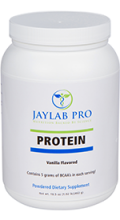
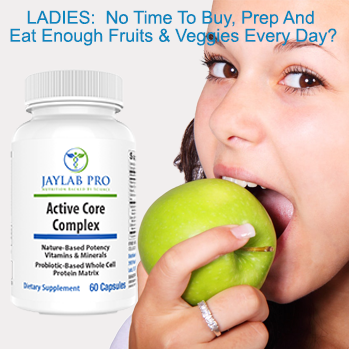
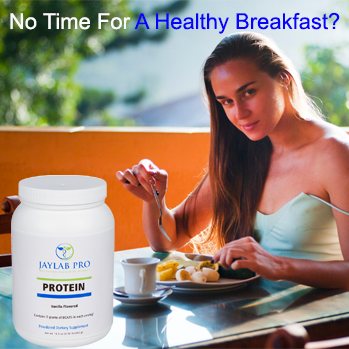
There are situations where shoring up your nutritional foundation is essential such as if you struggle with getting in enough protein in your diet. Then a protein powder is a good supplement to help fill in that weak spot. Or maybe you just don’t eat enough vegetables each and every day. This is where a whole food based multivitamin is beneficial.
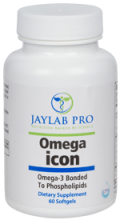
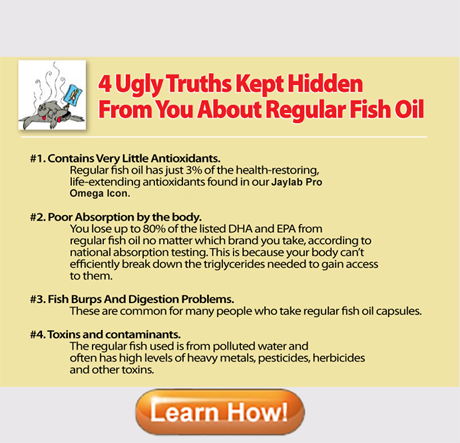
I know from my 22+ years of experience as a Registered Dietitian that as a society we struggle with consuming enough cold water fatty fish such as Salmon which provides our essential Omega-3 fats. So you then supplement with a high quality krill oil.

LIKE THIS CONTENT?
Join over 60 thousand other F.A.S.T. free-thinkers taking control of their health!
Get started and grab Your FREE 5 Blood Tests That Predict Heart Disease Better Than Cholesterol Guide!
Plus, we will send you cutting edge health news, therapies and daily strategies to maintain an optimal health status!

LIKE THIS CONTENT?
Join over 60 thousand other F.A.S.T. free-thinkers taking control of their health!
Get started and grab Your FREE 5 Blood Tests That Predict Heart Disease Better Than Cholesterol Guide!
Plus, we will send you cutting edge health news, therapies and daily strategies to maintain an optimal health status!
Shop Most Popular Items